Compare three mobile energy storage formats for retail, off-grid installation, and high-power charging, with key specifications for buyers.
Energy storage buyers rarely serve just one type of customer. Retail users want portability, installers need dependable battery specifications, and fleet operators focus on charging capacity and mobility. A well-defined mobile energy storage range can address these channels without forcing one product format into every application.
Compact Products for Retail and Installation
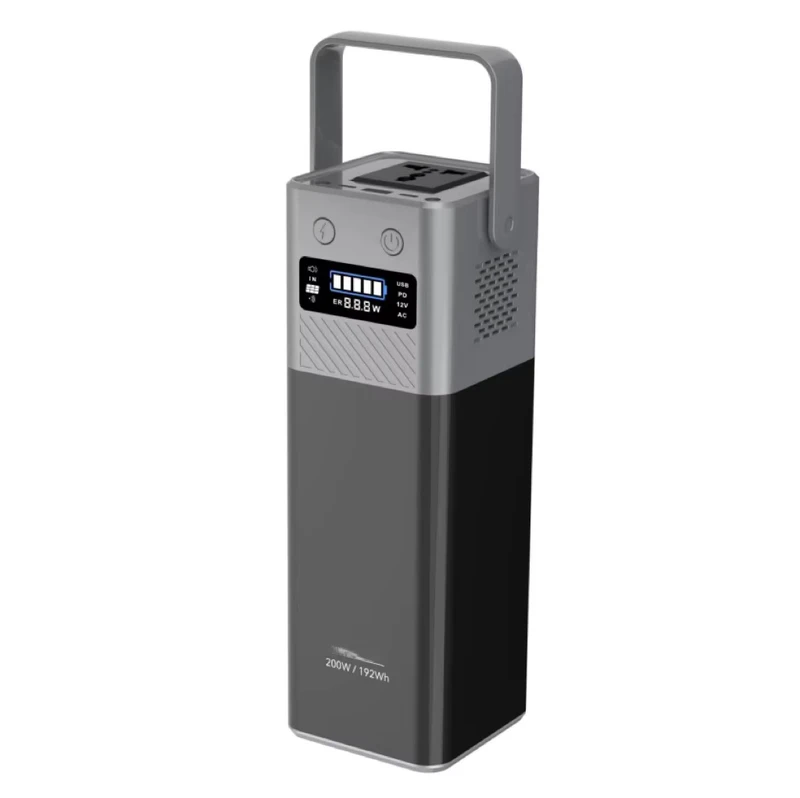
For camping, emergency backup, and small outdoor loads, the 200W portable station combines a 192Wh LiFePO4 battery with pure sine wave output. Its listed features include MPPT control, Type-C connectivity, wireless charging, a flashlight, and multiple charging sources. With dimensions of 8 × 8 × 24 cm, it gives distributors a compact product for consumer-facing channels.
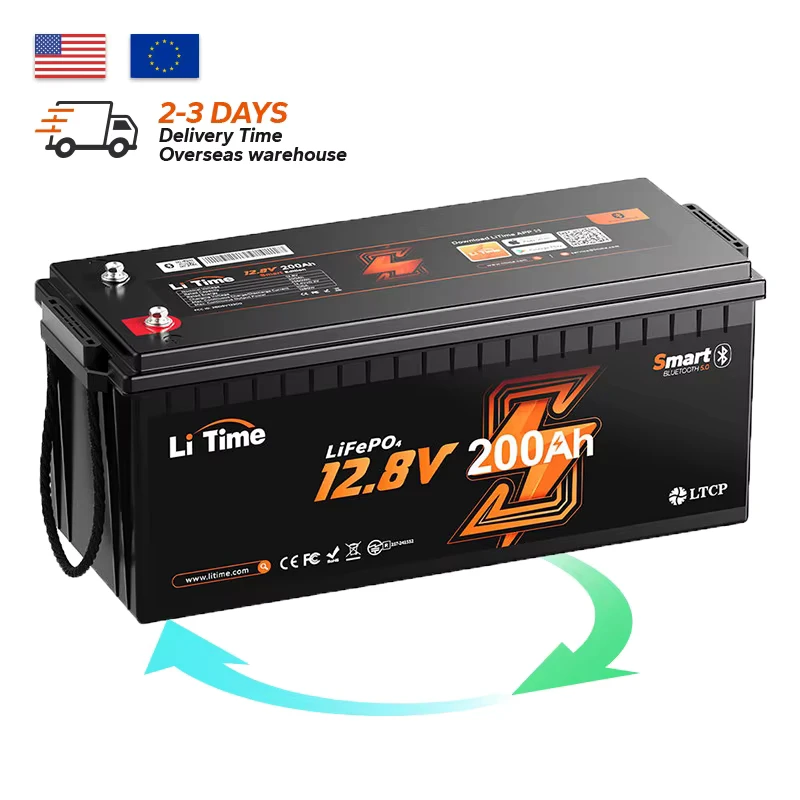
Installers and solar equipment suppliers require a different type of flexibility. The 12V 200Ah battery features a smart Bluetooth BMS, 100A maximum continuous discharge current, IP65 protection, and an operating range from -20°C to 60°C. Its specified cycle life is 4,000 cycles, making it relevant for off-grid storage, replacement battery programs, and integrated solar projects.
Transportable Power for Charging Operations
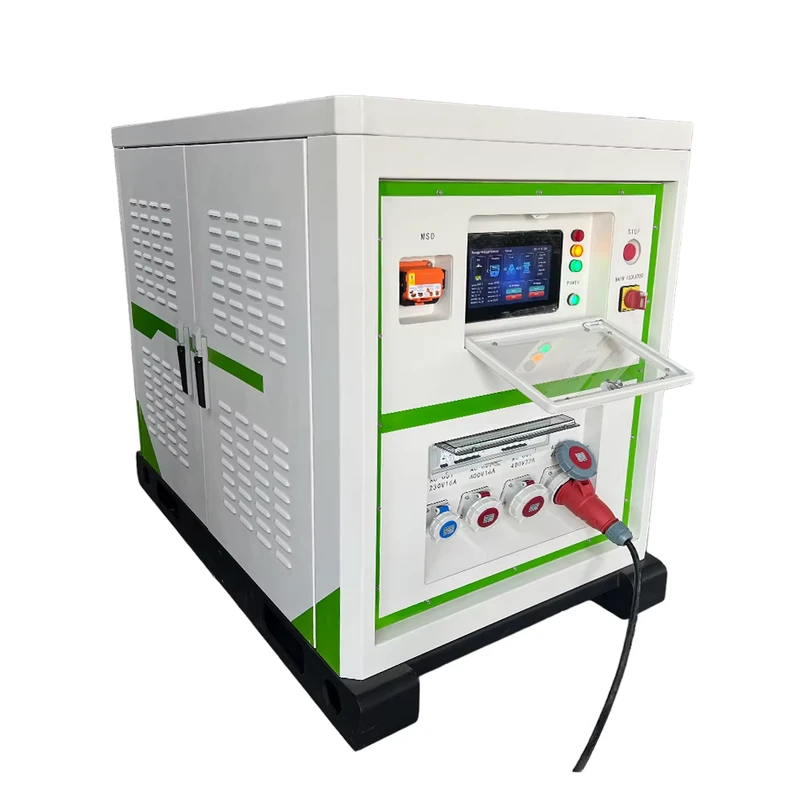
At the industrial end, the mobile charging station provides 240kW rated power and 210kWh energy capacity in a transportable format. Measuring 2,450 × 1,650 × 1,405 mm, it is intended for buyers evaluating temporary charging points, construction environments, energy operations, or locations where fixed infrastructure may not be practical.
Importers should compare more than capacity alone. Certification requirements, plug standards, branding, packaging, documentation, and expected order volume can all shape the right commercial proposal. Share your target market and application to discuss specifications, supply options, and a suitable quotation.