
Compare an EV charging unit, a protected 29.6V battery, and a solar bench through the practical lens of installation, duty, and upkeep.
Energy equipment should be evaluated by more than headline capacity. Importers and project buyers also need to consider installation conditions, operating frequency, user access, maintenance, and local compliance. These factors become especially important when comparing products designed for vehicles, portable machinery, and public spaces.
Start with the electrical environment
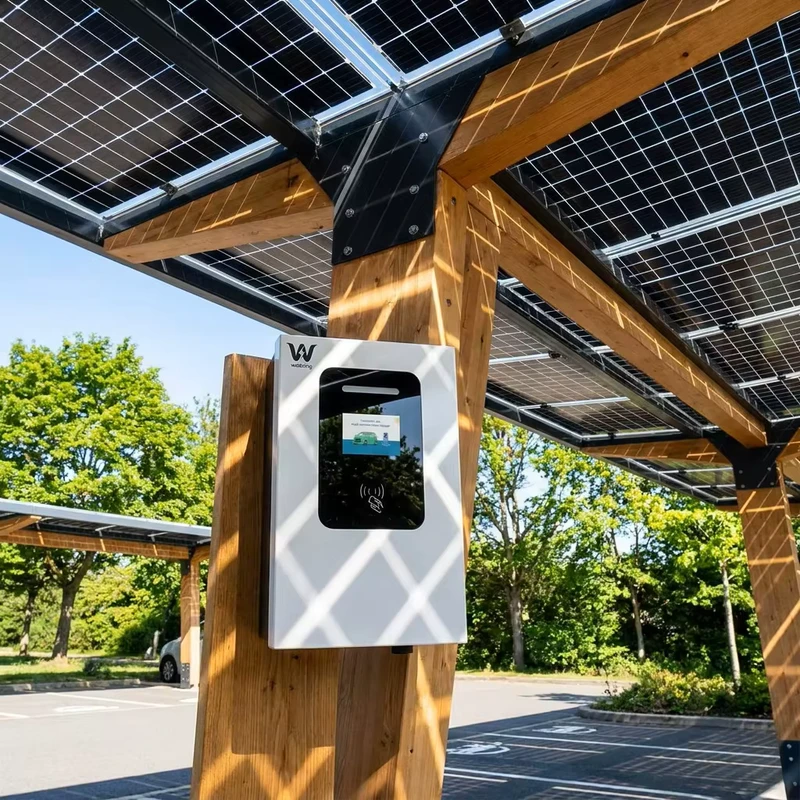
The wall-mounted 20kW charging unit combines a Combo interface with screen display and password-start functionality. Available information lists power options from 7kW to 40kW, 220–380V electrical conditions, 16A or 32A rated current, and a standard 5-meter customizable cable. Buyers should confirm the exact power configuration, connector requirements, protection level, and documentation supporting CE, REACH, FCC, and RoHS claims before ordering.
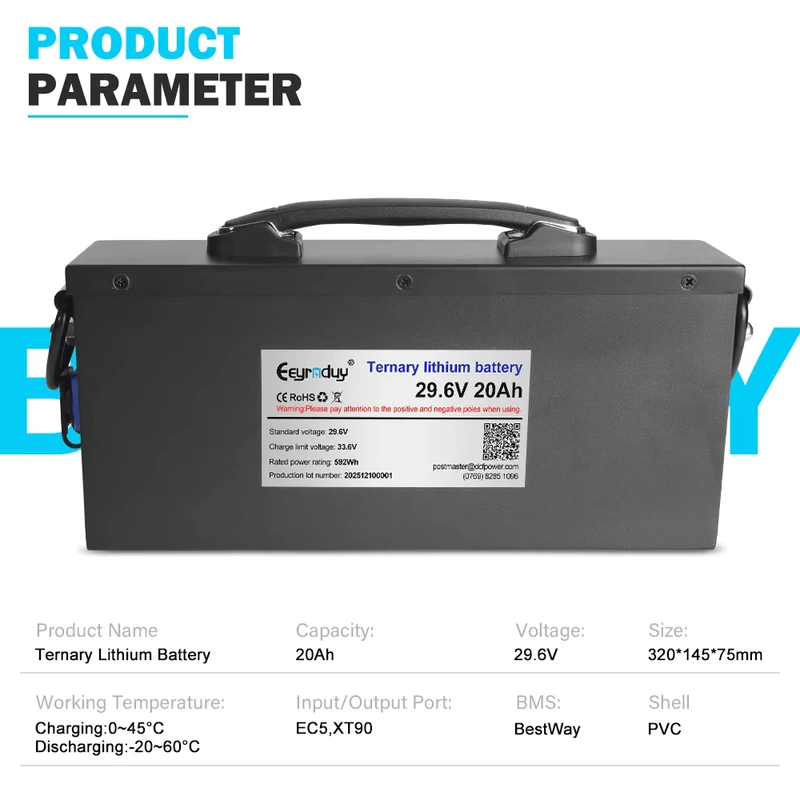
For portable equipment and light electric mobility, the 29.6V battery pack offers 20Ah capacity, equivalent to approximately 592Wh of nominal energy. It features a hard enclosure, NCM cathode material, and a built-in protection BMS. The listed operating range is -10°C to 45°C, while the stated cycle life is 1,000 cycles. Procurement teams should verify cycle-test conditions, enclosure dimensions, connector format, charging parameters, and compatibility with the target sprayer or vehicle.
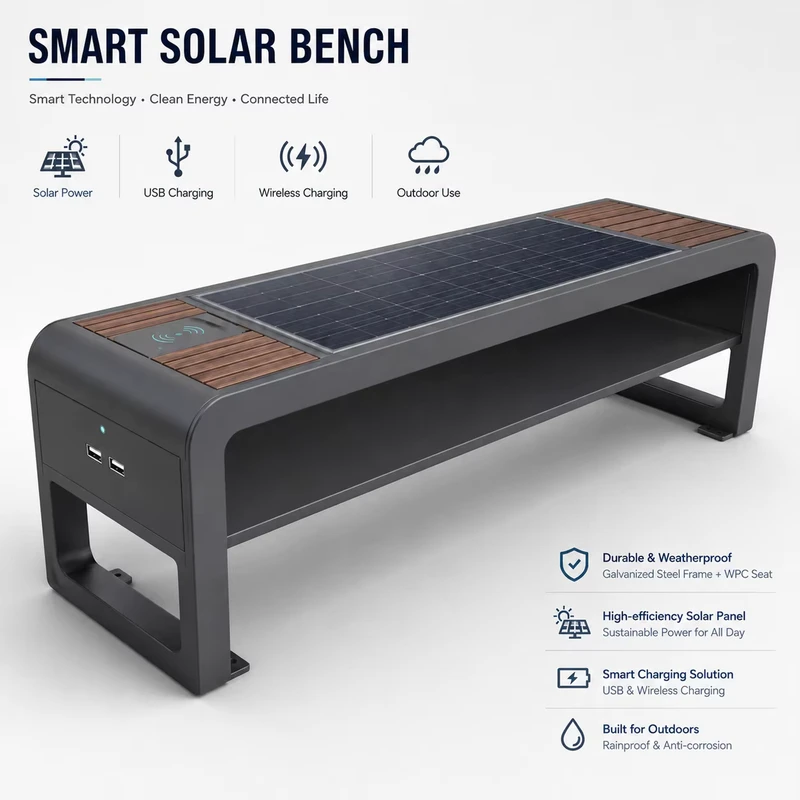
Public infrastructure requires a different assessment. The three-seat solar bench uses a galvanized steel frame and WPC seating for municipal parks, campuses, community squares, and scenic areas. Its off-grid solar supply and USB or wireless charging functions add practical value, but project planners should also review anchoring, weather resistance, battery access, solar output, and replacement-part availability.
Build specifications around actual use
Each product serves a distinct duty cycle, so a useful quotation should include the destination market, application, required quantity, electrical standard, customization needs, and delivery schedule. Explore the broader mobile energy range, or contact us to discuss technical confirmation, packaging, lead time, and project-specific sourcing requirements.